

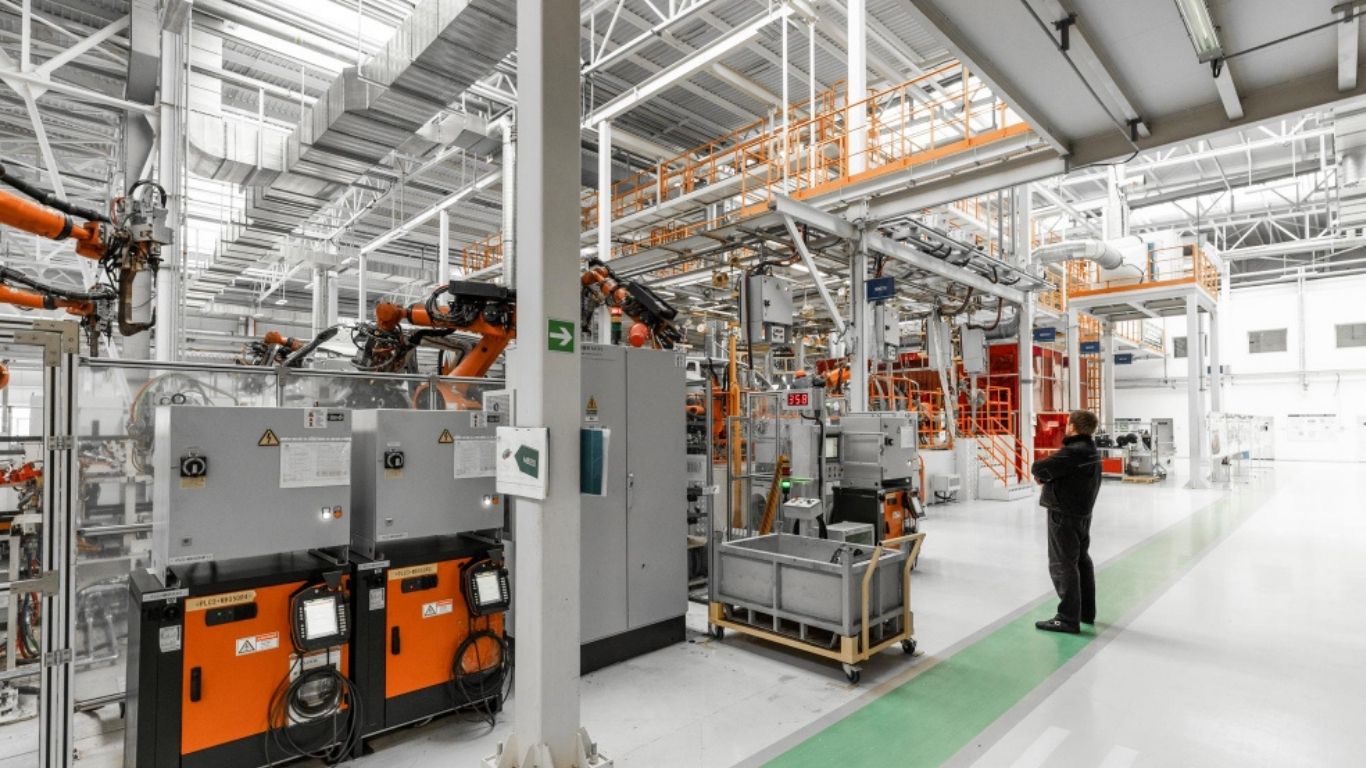
In today’s competitive and climate-conscious world, manufacturing plants are under mounting pressure to reduce carbon emissions without compromising productivity. With rising energy costs and strict ESG mandates, the spotlight is now on smart automation as a practical and measurable tool to achieve both operational and environmental goals.
At Siota Technologies, we specialize in helping manufacturers across India digitize their operations using IoT-based automation, enabling real-time energy savings, better control, and significant carbon reduction.
Here are the top 5 ways manufacturing plants can reduce carbon emissions with automation, along with real-world examples:
1. Optimize Energy Usage with Real-Time Monitoring
Problem: Without visibility into where and how energy is consumed, many plants run inefficient equipment or processes leading to energy waste and high carbon emissions.
Solution: Siota’s energy monitoring solutions track real-time energy consumption at the equipment, process, and shift level. You get actionable insights, peak load alerts, and consumption trends to optimize energy use.
Real-Life Example:
A plastic molding unit in Noida installed Siota’s smart energy meters on injection molding machines. Within 30 days, they identified overuse during idle times and optimized machine run schedules, cutting energy consumption by 18% and reducing monthly carbon emissions by approximately. 2.1 tons CO₂.
2. Automate HVAC & Cooling Systems
Problem: HVAC systems often operate 24/7 regardless of occupancy or cooling demand, leading to massive energy waste and Scope 2 emissions.
Solution: Siota’s HVAC automation uses temperature, occupancy, and time-based controls to dynamically manage cooling across zones, ensuring only needed areas are cooled.
Real-Life Example:
A textile plant in Gujarat automated its HVAC and air washer systems using Siota’s sensors and smart relays. Cooling was scheduled and zoned based on shift timings and ambient conditions. The result? 30% reduction in HVAC-related energy bills and over 4 tons CO₂ saved monthly.
3. Monitor Diesel Generator (DG) & Fuel Usage
Problem: DG sets are crucial backup systems, but are often misused due to poor visibility on run hours and fuel efficiency, resulting in unnecessary diesel consumption and high carbon emissions.
Solution: Siota’s DG monitoring system provides real-time data on fuel levels, generator run time, and load performance, enabling efficient usage and timely maintenance.
Real-Life Example:
A packaging unit in Bhiwadi noticed a pattern of DG sets running at below-optimal load during night shifts. With Siota’s alerts and reports, they optimized shift load balancing and reduced diesel usage by 15%, saving approx. 600 liters/month, equivalent to 1.5 tons CO₂/month in emissions.
4. Digitize Manual Readings to Eliminate Errors
Problem: Manual logging of electricity, water, and gas usage is prone to delays and inaccuracies, leading to unnoticed inefficiencies and slow corrective action.
Solution: Siota replaces manual logs with real-time utility monitoring, offering live dashboards and instant alerts on over-consumption or anomalies.
Real-Life Example:
In a metal fabrication plant in Faridabad, supervisors manually recorded compressor air pressure and energy data once per shift. After installing Siota’s meters, they detected frequent pressure drops due to leakage, previously untraceable manually. Fixing the leaks saved 7% compressed air energy, reducing emissions by 1.2 tons CO₂/month.
5. Enable Predictive Maintenance to Reduce Downtime & Waste
Problem: Unexpected machine failures lead to idle running, increased energy usage during restarts, and material wastage—all contributing to higher carbon emissions.
Solution: Siota’s predictive maintenance system continuously analyzes equipment behavior and flags anomalies before breakdowns happen.
Real-Life Example:
A chemical processing plant in Pune used Siota’s vibration and temperature monitoring sensors on critical pumps. The system flagged early signs of bearing wear, preventing failure during production. They avoided 6 hours of downtime, energy waste, and material loss, translating to 0.8 tons of CO₂ avoided per incident.
Don’t Miss: Top 5 KPIs Plant Heads Should Monitor Daily, Now Made Digital with SIOTA
Automation is the Fastest Route to Carbon Reduction
Automation is no longer a future concept – it’s a proven strategy to reduce energy consumption, improve efficiency, and achieve sustainability targets faster. With Siota, manufacturing plants gain complete visibility, remote control, and real-time intelligence – turning ESG goals into operational outcomes.
Ready to Reduce Your Plant’s Carbon Emissions?
Let’s make your factory smarter, cleaner, and more compliant – one connected device at a time.
Book a free consultation: hina@siota.in
Visit us at: www.siota.in
Follow us on LinkedIn: Siota Technologies
Conclusion
By integrating automation technologies, manufacturing plants can significantly reduce carbon emissions, enhance efficiency, and support sustainability. Embracing smart systems like AI, IoT, and robotics not only lowers environmental impact but also drives long-term cost savings and operational excellence in today’s increasingly eco-conscious industrial landscape.
