

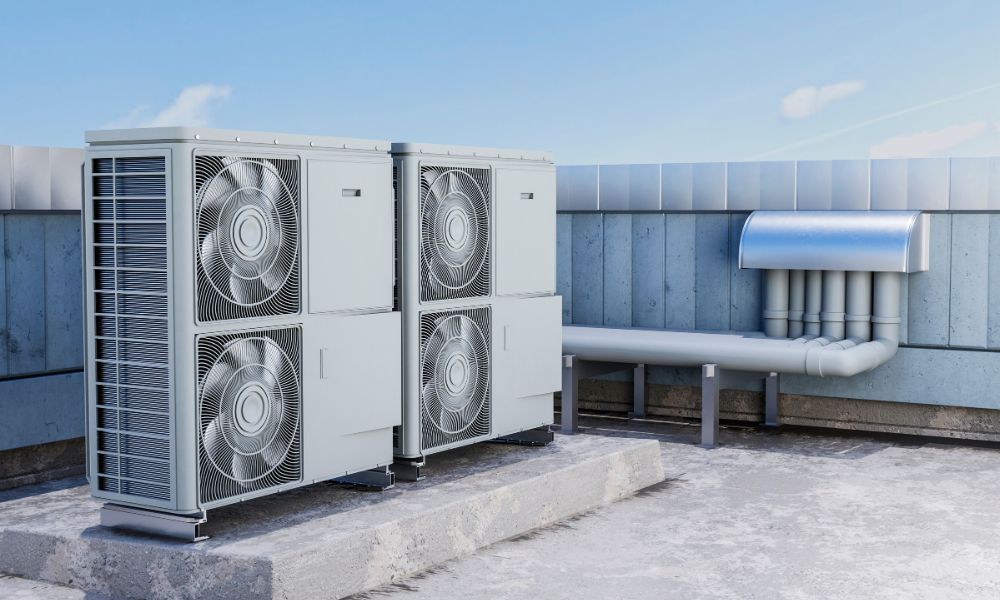
Why Co-Working Buildings Consume More Energy Than Expected
Co-working spaces are designed for flexibility, scale, and extended usage. Unlike traditional offices, they operate across longer hours, experience fluctuating occupancy throughout the day, and expand rapidly across multiple cities. However, HVAC operations in many co-working portfolios still rely on manual switching and fixed routines that were never designed for this level of complexity.
This mismatch creates a silent energy problem. HVAC systems may be technically efficient, but the way they are operated introduces inefficiencies that grow invisibly as portfolios scale.
HVAC Overrun Hours: The Invisible Cost Driver
In most co-working spaces, air-conditioning systems start running before actual occupancy begins, continue operating during low-usage hours, and often remain ON well after closing. These overrun hours are rarely intentional. They usually stem from unclear responsibility, dependence on manual intervention, or conservative comfort assumptions made at the site level.
At a single location, this may appear manageable. Across multiple locations, it becomes structural. Even one extra hour of HVAC runtime per day, multiplied across dozens of sites, leads to significant energy and cost escalation.
Why the Problem Is Operational, Not Technical
Most co-working operators do not suffer from outdated HVAC equipment. The real challenge lies in visibility. Without knowing which systems are running, where they are running, and for how long, energy management becomes reactive rather than strategic.
This lack of visibility also affects sustainability outcomes. Green building intent may exist at the design stage, but operational reality determines actual performance. When HVAC runtime is unmanaged, energy consumption and carbon impact quietly exceed expectations.
The First Question That Needs an Answer
Before energy can be reduced, it must be seen. The fundamental question most co-working portfolios cannot answer consistently is simple: What exactly is running right now, across all locations?
Don’t miss: Why Manual AC Switching Breaks Down Beyond 20 Units
