

Introduction
Here’s something most facility managers already know but rarely admit out loud — nobody really knows where their energy is going.
You get a monthly bill. It’s higher than last month. You ask around. Nobody has a good answer. So you shrug, pay it, and move on.
This is the reality in thousands of commercial buildings, factories, hospitals, and hotels across India. And it’s costing them — quietly, consistently — somewhere between 15 and 25 percent of their total electricity spend. Every single month.
An IoT-based energy management system fixes exactly this problem. It tells you, in real time, where every unit of electricity is being consumed. Which machine? Which floor? Which shift? And more importantly—where it’s being wasted.
SIOTA has been deploying these systems across India’s most demanding facilities — hospitals, manufacturing plants, hotel chains, and large commercial offices. The results aren’t theoretical. Facilities are cutting energy costs by 15–30%, meeting BRSR compliance without spreadsheet headaches, and going live in under 48 hours.
This guide breaks down how these systems actually work, what you should look for, and which industries benefit the most.
What an IoT-Based Energy Management System Actually Does
Let’s skip the jargon for a moment.
At its core, an IoT-based energy management system is a set of sensors, meters, and software that work together to give you a live picture of your energy consumption—and help you do something about it.
Think of it like a fitness tracker, but for your building. It doesn’t just count steps. It tells you which habits are making you unhealthy and what to change.
The Three Layers That Make It Work
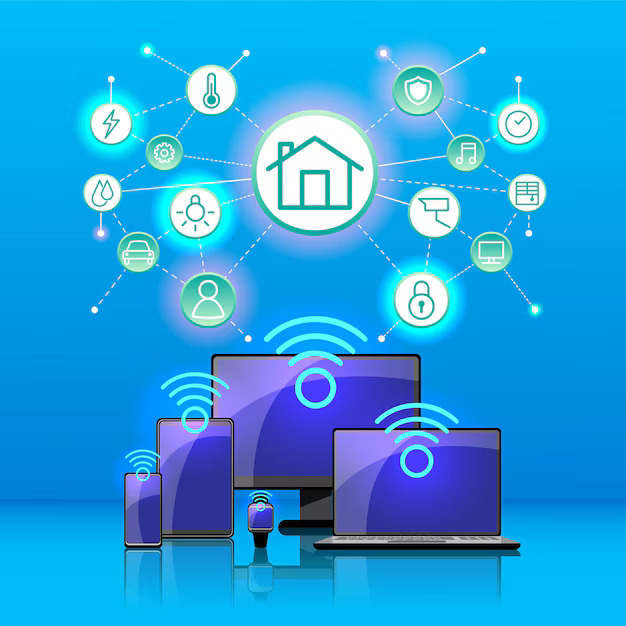
Every serious IoT energy management system has three layers working together:
Sensing layer. Smart meters and current transformers clip onto your existing electrical panels. IoT sensors go on HVAC units, DG sets, pumps, and other high-consumption assets. No major rewiring. No infrastructure overhaul.
Connectivity layer. The data these sensors collect gets transmitted—via Wi-Fi, 4G, RS485, or Modbus—to a cloud platform. Most decent systems sample data every 15 minutes or less. That granularity matters more than people realize.
Intelligence layer. This is where the real value lives. The cloud platform analyzes incoming data, spots anomalies, triggers alerts, generates reports, and — in the best systems — automates corrective action without waiting for a human to notice something is wrong.
What Good Looks Like in Practice
Here’s a real scenario. A facility’s HVAC system has been running at full capacity overnight—long after the building empties. Nobody programmed a shutdown schedule. Nobody noticed. The system flagged it on day one.
That’s what a well-deployed IoT-based energy management system does. Not just dashboards and charts. Actual intervention.
The features worth paying attention to: real-time sub-metering (asset by asset, not just total consumption), automated equipment controls, multi-site dashboards, predictive maintenance alerts, and one-click BRSR/ESG reports.
Why This Matters More in India Right Now
India’s energy story has two sides. Consumption is rising fast — we’re the world’s third-largest energy consumer. And the pressure to use it more responsibly is rising just as fast.
SEBI’s BRSR mandate is now a compliance reality for listed companies. ESG reporting isn’t optional anymore. And electricity tariffs have been climbing steadily across most states.
Manual Monitoring Can’t Keep Up
The traditional approach — manual meter readings, monthly reconciliation in Excel, reactive maintenance — was never efficient. It’s just what most facilities were used to.
The problem with being reactive is that by the time you react, the damage is done. The bill is already paid. The equipment has already degraded. The anomaly ran undetected for three weeks.
An IoT-based energy management system changes the timeline entirely. You’re not looking at last month’s data. You’re looking at what’s happening right now and getting alerts before small issues become expensive ones.
The BRSR Compliance Problem Nobody Talks About
For companies required to file BRSR reports, the data collection process is genuinely painful. Multiple facilities. Multiple teams. Manual consolidation. Estimates where real data doesn’t exist.
An IoT EMS eliminates all of that. The data is already there — time-stamped, verifiable, and audit-ready. What used to take weeks of work happens automatically.
The Real Benefits — Beyond the Sales Pitch
Most vendors lead with “15–30% savings” and stop there. That’s true, but it’s only part of the picture.
Energy Cost Reduction — Yes, But Here’s How
The savings don’t come from magic. They come from visibility. When you can see that one particular chiller is consuming 40% more energy than the identical one next to it—you fix it. When you can see that lighting in the warehouse runs all night despite no occupancy, you automate the shutdown.
Sub-metering is what makes this possible. Not building-level data. Machine-level, floor-level, shift-level data. That’s where the actionable insights are.
Predictive Maintenance Is Quietly the Biggest Win
Nobody budgets for unplanned downtime. But it happens constantly — and it’s far more expensive than people account for. A motor that fails unexpectedly in a production facility doesn’t just cost the repair. It costs the production halt, the overtime, the late deliveries, and the client penalties.
IoT sensors catch the early signs—abnormal current draw, vibration patterns, and temperature deviations—days or weeks before failure. You schedule maintenance on your terms, not the equipment’s.
Multi-Location Control From One Place
For businesses with multiple sites—a hospital network, a hotel chain, or a retail brand with stores across ten cities—the single-dashboard view is genuinely transformative. One screen. Live data from every location. Anomalies flagged automatically. No calls to site managers asking, “What’s the meter reading today?”
Which Industries Actually See the Best Results
An IoT-based energy management system isn’t industry-specific—but some sectors see particularly strong returns.
Hospitals and Healthcare
Energy reliability isn’t optional in healthcare. An HVAC failure in an ICU or a temperature deviation in a pharmacy cold room is a patient safety issue, not just an operational inconvenience.
Beyond reliability, hospitals face strict regulatory requirements around temperature logs, HVAC performance, and energy reporting for NABH and NABL accreditation. A good IoT EMS handles all of this automatically.
Manufacturing
Factories are full of energy-hungry machines running on complex shift schedules. Machine-level sub-metering reveals which production lines are consuming disproportionate power — and when. Power factor correction alerts, DG monitoring, shift-wise benchmarking — all of it adds up to meaningful savings at scale.
Hotels and Hospitality
Occupancy-based HVAC control is one of the highest-ROI applications in hospitality. Air conditioning in a vacant room is pure waste. When the system knows occupancy status—from check-in data or room sensors—it adjusts automatically. Guests don’t notice. The energy bill does.
Commercial Buildings and Offices
Office buildings are notorious for after-hours energy waste. HVAC, lighting, and equipment running on weekends. Common areas lit up at midnight. An IoT EMS catches all of it and can automate shutdowns without requiring any manual oversight.
Cold Storage
A temperature deviation alarm at 2am protects far more than energy costs — it protects inventory. For cold storage and pharma warehousing, 24/7 automated monitoring with instant alerts isn’t a nice-to-have. It’s essential.
How to Choose the Right System — Honest Criteria
There are a lot of vendors in this space now. Here’s what actually separates the good ones from the rest.
Deployment Without Disruption
A system that requires you to replace electrical panels or halt operations for installation is a red flag. The best platforms — SIOTA included — install using clamp-on meters and sensors on existing infrastructure. Modbus and RS485 integration means compatibility with most industrial equipment out of the box. Going live in 48 hours is realistic, not a marketing claim.
Data Granularity
Ask vendors one specific question: “How frequently does your system sample energy data?” If the answer is once per hour or once per day, walk away. Fifteen-minute intervals are the minimum for meaningful anomaly detection. Some platforms go to one-minute or even real-time sampling for critical assets.
Automation, Not Just Monitoring
Monitoring tells you what’s happening. Automation does something about it. There’s a big difference between a dashboard that shows your HVAC is running at full capacity at midnight and a system that automatically turns it off.
Look for platforms with rule-based automation, occupancy-triggered controls, and scheduled equipment management built in.
Does It Actually Simplify BRSR?
Ask to see a sample BRSR report. If it takes manual input to generate, or if it requires an engineer to interpret the data before it becomes reportable—that’s not really automation. The best systems generate compliance-ready exports directly from live data.
Support That Actually Shows Up
IoT systems need ongoing care—sensor calibration, firmware updates, and new asset integration. Vendors who disappear after installation are a real problem. Ask specifically about SLA response times, whether support is India-based, and what the escalation path looks like.
SIOTA’s IoT based energy management system checks every one of these boxes — 48-hour deployment, 15-minute data sampling, automated controls, one-click BRSR reports, and dedicated India-based support. Book a free demo to see it in action.
Conclusion
If you’ve read this far, you already know what the problem is. Energy waste is happening in your facility right now—not because your team isn’t doing their job, but because the tools they’re using weren’t built for real-time visibility.
An IoT-based energy management system changes that. It’s not a complicated technology. It doesn’t require a major overhaul. And the ROI is well-documented — 15–30% energy savings, predictive maintenance that prevents costly downtime, and BRSR compliance that doesn’t require a dedicated team to manage.
SIOTA has deployed these systems across hospitals, factories, hotels, and commercial buildings throughout India. The results are consistent. Facilities save money. Operations run smoother. Compliance gets easier.
If your facility is spending serious money on electricity—and doesn’t have real-time visibility into where it’s going—that’s exactly the gap SIOTA was built to close.
Schedule a free demo at siota.in — the team will assess your facility, recommend the right setup, and get you live within 48 hours. No obligation. Just clarity on where your energy is going and how much you could save.
Frequently Asked Questions
What is an IoT-based energy management system, in simple terms?
It’s a combination of sensors, smart meters, and software that tracks your building’s energy consumption in real time—and helps you reduce waste through automated controls and intelligent alerts. Think of it as replacing monthly meter readings with a live dashboard that watches your energy 24/7.
How much can I realistically save?
Most facilities see a 15–30% reduction in energy costs. The actual number depends on how much waste currently exists and which automation features get deployed. Facilities with older HVAC systems or no existing monitoring tend to see the higher end of that range.
Do I need to replace my existing electrical infrastructure?
No. A good IoT-based energy management system uses clamp-on meters and sensors that attach to existing panels and equipment. Protocols like Modbus and RS485 ensure compatibility with most industrial and commercial systems already in place.
How long does deployment take?
With SIOTA, most facilities go live within 48 hours. Sensors are installed, the cloud platform is configured, and dashboards are live—without operational disruption.
Is this useful for companies with multiple locations?
Especially so. Multi-location dashboards let you monitor and control energy across every site from a single screen. Anomalies at any location trigger alerts automatically, regardless of where you’re sitting.
Does it help with BRSR compliance?
Yes — and this is one of the strongest practical use cases. The system collects real, time-stamped energy and emissions data automatically. BRSR-ready reports can be generated with a few clicks, using verified data rather than estimates.
Which industries benefit most?
Hospitals, manufacturing plants, hotels, commercial office buildings, cold storage facilities, retail chains, and multi-site corporate campuses all see strong results. Any facility with significant electricity spend and multiple high-consumption assets is a good candidate.
What’s the typical payback period?
Most organizations recover the investment within 12–18 months through energy savings alone. Large facilities with high electricity spend often see payback within 6–9 months.
What makes SIOTA different from other vendors?
SIOTA combines fast deployment (48 hours), real-time sub-metering, automated controls for HVAC and lighting, built-in BRSR reporting, and India-based support — all in one platform. It’s built specifically for the complexity of Indian commercial and industrial facilities.
How do I get started?
Visit siota.in and schedule a free demo. The team will review your facility’s setup, walk you through the platform, and give you a clear picture of potential savings before you commit to anything.
