

Introduction
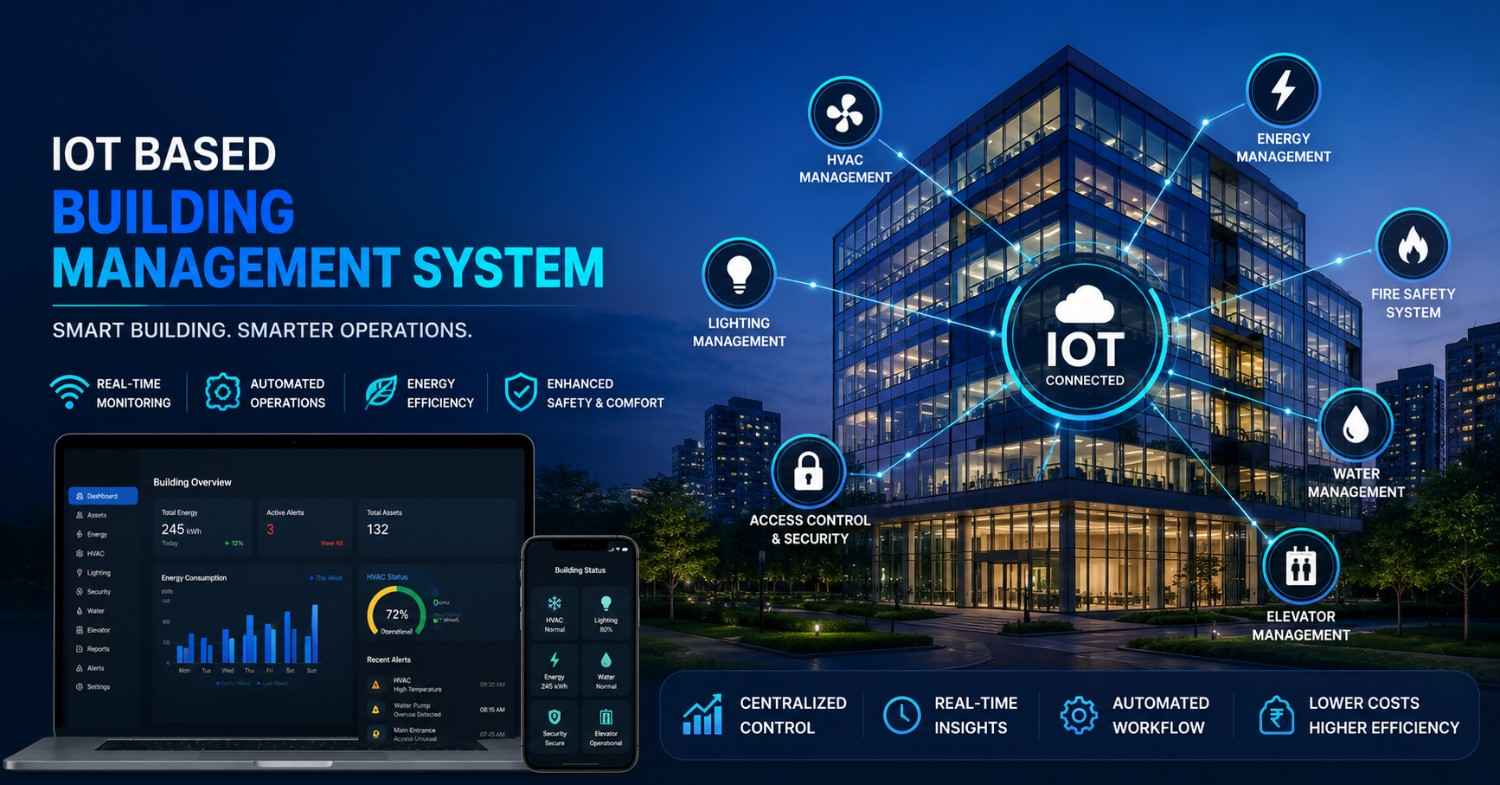
Walk into most commercial buildings and you’ll find someone, somewhere, manually checking a thermostat or walking floors to see which lights got left on. It’s slow, it’s inefficient, and honestly, it’s a waste of a good employee’s time. An IoT based building management system fixes this by connecting sensors and devices so your lighting, HVAC, security, and energy usage are all visible in one place, updated live.
We’ve worked with enough facility teams at SIOTA to know the pain points are almost always the same: rising energy bills, equipment that fails without warning, and no real way to see what’s happening across a property at any given moment. That’s exactly why more building owners are looking into an IoT based building management system instead of sticking with the old wired setups.
Here’s a number that puts things in perspective — buildings eat up close to 40% of global energy use, based on figures from the International Energy Agency. That’s not a small slice. It’s the reason facility managers are under pressure to do more with less, and why smart, connected systems have gone from “nice to have” to something closer to a requirement.
This guide covers how the technology actually works, where it’s paying off in real buildings, and what to think about before you commit to one. No fluff, just what matters if you’re the one signing off on the budget.
What Is an IoT Based Building Management System, Really?
Strip away the jargon and an IoT based building management system (BMS) is a network of internet-connected sensors and devices that watch over your building and make adjustments without someone standing there micromanaging it. It replaces the clipboard-and-walkthrough approach with something that just… runs, and tells you when something’s off.
The Pieces That Make It Work
You’ve got sensors that pick up on temperature, humidity, how many people are in a room, and air quality. Gateways push that data up to the cloud. Then there’s a dashboard, which is where a facility manager actually spends their time, looking at what needs attention.
Why It’s Not the Same as Old-School BMS
Older building management platforms needed miles of wiring and a specialist to reconfigure anything. Expensive to scale, painful to update. IoT systems skip most of that by going wireless, using protocols like Zigbee, LoRaWAN, or plain Wi-Fi. Installation is faster, and adding new sensors later doesn’t mean tearing open walls.
Why Building Owners Are Actually Switching
People don’t adopt this stuff because it sounds futuristic. They adopt it because the numbers work out, and usually pretty fast.
The Energy Bill Drops — and Stays Down
Occupancy sensors know when a conference room is empty and cut the lights and HVAC accordingly. It sounds small until you see it applied across an entire floor. The U.S. Department of Energy has pointed to energy savings in the 10-30% range for buildings running smart technology, depending on size and how much of the building is connected.
People Notice When the Building Feels Better
Automated climate control means the third floor doesn’t run five degrees colder than the first. That consistency matters more than people expect — comfortable employees tend to complain less and, frankly, get more done.
You Fix Things Before They Break
This is the one facility managers get excited about. Sensors flag equipment that’s starting to wear down, so repairs happen on a schedule instead of during a Tuesday afternoon emergency. Predictive maintenance isn’t glamorous, but it saves real money.
Where This Actually Gets Used
Every industry bends the technology to fit what they actually need, which is part of why it’s spread so fast.
Offices
Companies use occupancy data to figure out which desks and rooms actually get used. With hybrid work still messing with everyone’s space planning, this data has become genuinely useful for deciding whether to renew a lease or downsize.
Hospitals
Temperature control isn’t optional in a pharmacy storage room or an operating theater — it’s a compliance issue. Connected sensors give staff instant alerts if something drifts outside safe ranges, instead of finding out hours later.
Apartment Buildings
Property managers get one dashboard for security, utilities, and maintenance across an entire complex. Residents, meanwhile, get an app that lets them control their own unit without calling the front desk.
Getting One Installed Without Overcomplicating It
This part trips people up more than it should. It doesn’t have to be a massive undertaking if you approach it in order.
Start With What’s Actually Wrong
Before buying anything, figure out what’s actually costing you money — is it the energy bill, or is it equipment failing at bad times? That answer shapes what you connect first, and it keeps you from paying for features you don’t need yet.
Pick Something That Can Grow
Cheap systems that can’t scale end up costing more later, once you’re ripping them out to replace them. Working with a provider who understands your building’s roadmap — that’s where a partner like SIOTA actually earns its keep.
Don’t Skip Training Your Team
The best dashboard in the world is useless if nobody on staff knows what an alert means. A little training upfront saves a lot of confusion (and missed alerts) down the line.
What Could Go Wrong, and What’s Coming Next
No system is perfect, and it’s worth being honest about the tradeoffs.
The Security Question
More connected devices means more entry points for something to go wrong. It’s a fair concern. The fix isn’t avoiding IoT altogether — it’s choosing vendors who take encryption and regular updates seriously instead of treating security as an afterthought.
Where This Is Headed
AI is starting to layer on top of IoT data, letting buildings adjust themselves based on patterns instead of waiting for a human to notice something. It’s early, but the direction is clear — buildings that manage more of themselves, with people stepping in only when it actually matters.
Conclusion
An IoT based building management system isn’t a gimmick. It changes how a building runs day to day — lower energy bills, fewer surprise repairs, better conditions for the people inside it. The buildings that adopt this early are the ones setting the standard everyone else will eventually have to catch up to.
If you’re weighing whether it’s worth it for your property, visit SIOTA and talk to someone who’s actually implemented these systems in buildings like yours. We’ll walk through what makes sense for your space — no generic pitch, just a straight answer based on what you’re working with. Reach out for a free consultation and see where you’d actually save.
Frequently Asked Questions
What does an IoT based building management system actually do? It keeps an eye on lighting, HVAC, and security through connected sensors, and adjusts things automatically based on real-time data.
How much could I realistically save? The U.S. Department of Energy has cited savings between 10-30%, though it depends heavily on your building’s size and how much of it is connected.
Is it safe from hackers? It can be, as long as you’re working with a vendor that takes encryption and regular software updates seriously. That part matters more than people think.
Can I add this to a building I already have? Yes — most wireless IoT setups don’t require ripping into walls or rewiring anything major.
How long does an install usually take? It ranges. Smaller properties might be done in a few weeks; larger commercial buildings can take a couple of months depending on scope.
